
No products in the cart.
Exploring the psychology of gambling in casinos
The Allure of the Casino Environment
The environment of a casino is meticulously designed to draw individuals into a state of euphoria and excitement. Bright lights, vibrant colors, and the sound of clinking coins create a sensory experience that stimulates the brain. This carefully curated atmosphere activates both emotional and cognitive responses, making visitors feel more inclined to participate in gambling activities, especially as seen on actibagroup.org , which explores these immersive settings. The aim is to create a sense of escapism, allowing players to forget their daily concerns and immerse themselves in the thrill of the game.
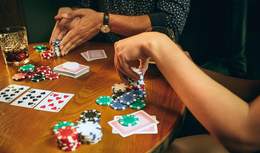
Moreover, the psychology of gambling in casinos is enhanced by the architecture and layout of the gaming floor. Casinos often lack windows and clocks, which can distort the passage of time and encourage players to gamble longer. By creating a timeless environment, casinos leverage the feeling of losing track of time to promote prolonged play. This manipulation of the physical space plays a crucial role in heightening the allure of gambling, fostering a sense of anticipation and excitement with every roll of the dice or spin of the wheel.
The presence of other players also significantly influences an individual’s gambling behavior. A crowded casino floor adds to the electric atmosphere, where the cheers and groans of fellow gamblers can amplify emotions. This social aspect creates a sense of community and belonging, which can be particularly appealing to those who may feel isolated in their everyday lives. The shared experience of gambling can play a significant role in enticing individuals to engage more deeply with the games, driven by the need for social connection and approval.
The Role of Cognitive Biases
Cognitive biases are a critical component of understanding gambling behavior. These systematic errors in thinking can lead individuals to make irrational decisions while wagering. For example, the illusion of control is a common bias where players believe they can influence the outcome of games of chance, such as slots or roulette. This belief often prompts people to engage in superstitious behaviors, like wearing lucky clothing or performing rituals before placing bets, further entrenching them in the gambling experience.
The gambler’s fallacy is another cognitive bias that comes into play in a casino setting. This is the mistaken belief that past events can influence future outcomes, leading individuals to think that after a series of losses, a win is due. Such misconceptions can result in chasing losses, where gamblers continuously bet in an attempt to recover their previous losses, often leading to greater financial harm. By understanding these cognitive biases, one can see how they contribute to the cycle of gambling addiction and the psychological traps that keep players engaged.
Additionally, the concept of near-misses plays a crucial role in gambling psychology. A near-miss occurs when a player almost wins, such as getting two matching symbols on a slot machine but not the third. This experience triggers a dopamine release in the brain, creating a feeling of excitement and reinforcing the desire to continue gambling. The thrill of the near-miss can often overshadow the reality of losses, convincing players to keep betting in hopes of hitting the jackpot eventually. These psychological mechanisms highlight the intricate relationship between cognition and gambling behavior.
The Impact of Emotions on Gambling Behavior
Emotions play a prominent role in the gambling experience, influencing decisions and behaviors in profound ways. Many individuals turn to gambling as a means of escape, seeking relief from stress, anxiety, or depression. The initial thrill of winning can provide a temporary emotional high, but the volatility of gambling can also lead to increased stress and emotional turmoil. This rollercoaster of emotions can create a cycle where individuals use gambling as a coping mechanism, perpetuating a negative feedback loop that is difficult to break.
The excitement connected to winning can be addictive, leading to an escalation of gambling behavior. The brain’s reward system becomes increasingly responsive to the highs of winning, creating a craving for more frequent highs. Consequently, players often increase their bets, hoping to replicate the elation of past wins. However, this pattern can lead to substantial financial and emotional consequences as losses mount, ultimately resulting in a gambling problem that becomes challenging to overcome.
Furthermore, social dynamics can amplify these emotional responses in a casino environment. The shared exhilaration of winning, coupled with the disappointment of losing amongst fellow gamblers, can heighten individual emotions. The competitive nature of gambling can propel individuals to chase wins more aggressively, motivated not only by personal desires but also by a need to impress peers. This emotional interplay highlights the complex nature of gambling behavior, where emotions, social elements, and personal psychology coalesce in a high-stakes environment.
Addiction and the Path to Recovery
Gambling addiction is a serious psychological condition that affects many individuals worldwide. It is characterized by an inability to control gambling behaviors despite negative consequences. The underlying psychological factors can include an increase in risk-taking behavior, heightened emotions, and the influence of cognitive biases previously discussed. Understanding these elements is crucial for recognizing the potential for addiction and the subsequent need for intervention and support.
Recovery from gambling addiction often requires comprehensive treatment approaches that address both psychological and emotional aspects. Cognitive-behavioral therapy (CBT) is commonly used to help individuals identify and challenge irrational thoughts or beliefs related to gambling. This method empowers recovering gamblers to reframe their relationship with betting and develop healthier coping mechanisms, enabling them to manage their urges and reduce the likelihood of relapse.
Moreover, support groups such as Gamblers Anonymous provide community and understanding for individuals battling gambling addiction. Sharing experiences in a safe environment can foster accountability and promote emotional healing. The path to recovery is not linear, and setbacks may occur, but with the right support system in place, many individuals can regain control over their lives and develop a more balanced relationship with gambling.
Understanding the Psychological Insights
For those looking to explore the intricacies of gambling psychology further, many resources and discussions are available online. Understanding the underlying psychological principles can empower individuals to make more informed decisions about gambling. Recognizing the influence of cognitive biases, emotional triggers, and addiction pathways enables players to develop a more critical perspective toward their gambling behaviors.
Moreover, educational programs and support networks can provide valuable tools for both gamblers and their families. These resources often focus on building resilience, promoting responsible gambling practices, and emphasizing the importance of mental health. By fostering awareness and understanding, individuals can learn to enjoy gambling as a recreational activity rather than allowing it to become a compulsive behavior.
In summary, the psychology of gambling in casinos is a multifaceted topic that encompasses a range of psychological principles. By delving into the cognitive, emotional, and social dimensions of gambling, individuals can gain valuable insights into their behaviors and the environments that foster such activities. Embracing this knowledge can pave the way for responsible gambling practices and a healthier relationship with games of chance.

